Not All Collateral Is Real Estate
The biggest misconception about business financing is believing you always need to mortgage something. At Pixxo, we evaluate multiple types of collateral depending on the product and your company's profile.
Most Common Types of Collateral
Real (Tangible) Collateral
- Real estate (home, commercial property, land)
- Machinery or equipment with verifiable value
- Vehicles
Financial Collateral
- Accounts receivable (for factoring)
- Lease or concession agreement
- Security deposit (a percentage of the credit)
Personal Guarantees
- Personal guarantee (aval) from a partner or owner
- Joint obligor (co-signer) with a clean credit history
Without Traditional Collateral
In some products, such as factoring, the collateral is the invoice itself and the creditworthiness of your debtor client. Your track record matters less than your client's.
How to Prepare Your Business for an Application
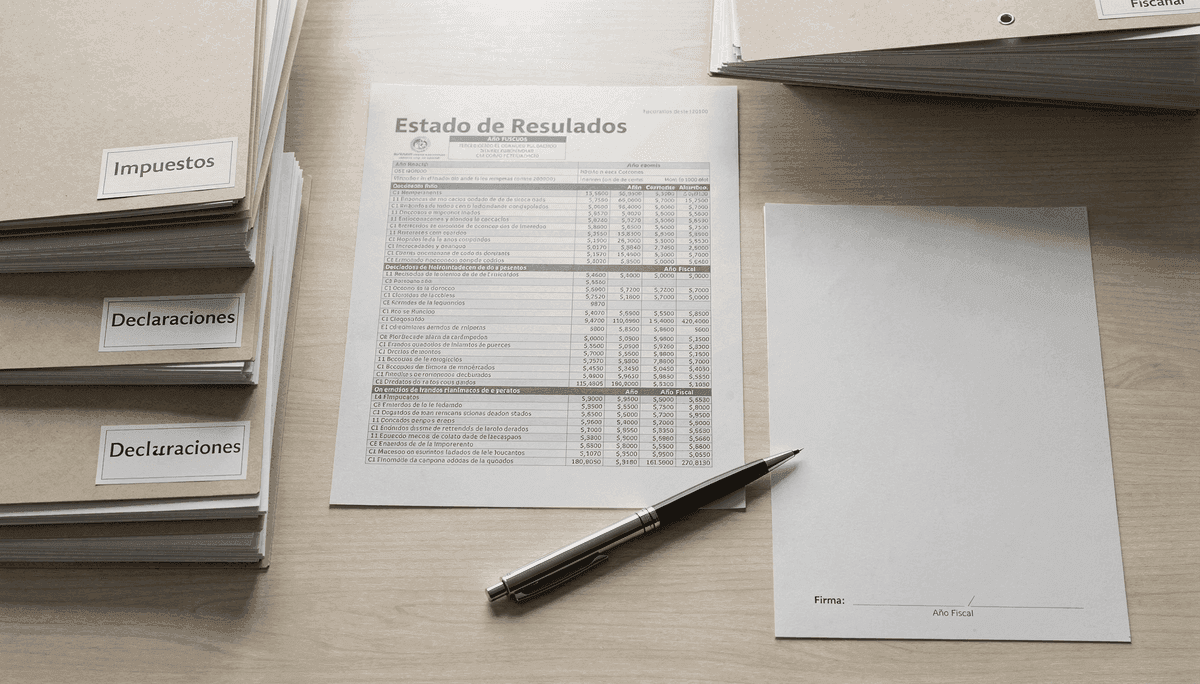
1. Organize Your Tax Documentation
- Annual tax returns filed with the SAT (Mexico's Tax Administration Service) (last 2 years)
- Monthly VAT (IVA) returns (last 12 months)
- Current tax status certificate (Constancia de Situación Fiscal)
2. Have Your Financial Statements Ready
- Balance sheet
- Income statement
- Projected cash flow (if applicable)
3. Check Your Credit Bureau Report
Request your report before applying. Identify red flags, correct errors, and, if issues arise, prepare a documented explanation.
4. Document Your Operations
Contracts with clients, recent invoices, evidence of recurring sales. Anything that demonstrates your business is operating and generating real income.
The Most Important Piece of Advice
Apply before you urgently need the money. The best terms are negotiated from a position of strength, not desperation.